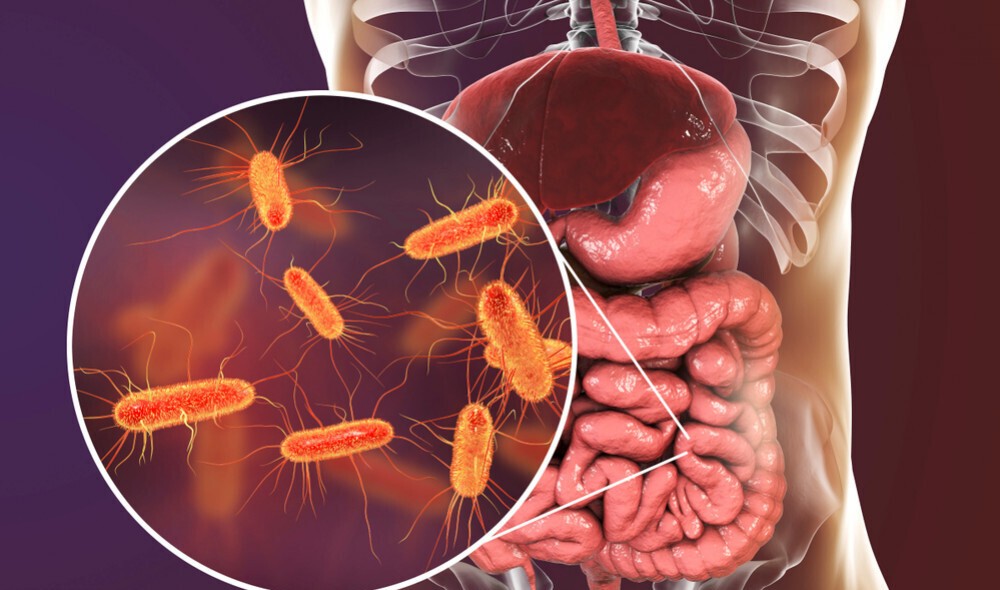
Intestinal parasites are more common than you think and often show up with hidden symptoms. The parasites most frequently encountered in Azerbaijan today are the following.
Enterobiasis (pinworm): Spreads especially among children. Transmitted through poor personal hygiene. Symptoms: itching in the anal area (especially at night), insomnia and restlessness, abdominal pain, nausea and drooling. Diagnosis is made via the perianal tape test (repeated 3 times). Treatment must cover all family members; bedding should be washed in hot water.
Ascaris: Transmitted through soil. It lives in the small intestine; the larval forms can settle in the lungs and other organs. Symptoms: abdominal pain, nausea and vomiting, diarrhea, weakness, stunted growth and weight in children. The most dangerous complication is intestinal obstruction.
Giardiasis: Giardia lamblia settles in the upper part of the small intestine. Symptoms: foul-smelling, watery, fatty diarrhea, abdominal pain and flatulence, nausea and loss of appetite, fatigue, allergic dermatoses, dehydration and developmental delay in children, lactose intolerance in some people. If untreated, it becomes chronic.
These parasites can show up with signs such as abdominal pain, nausea, weakness, skin problems and anemia. Consult an infectious disease & parasitology physician for an accurate diagnosis and treatment.